Alasdair Garnett, the new Coaching Commission chair for Cycling South Africa, spoke to In the Bunch about his new position, the challenges he’ll face and the importance of good coaching.
ITB: When were you officially appointed by Cycling SA?
AG: June 13, 2017
ITB: What motivated you to apply for the position?
AG: The interest sparked with my recent training and communications with the UCI World Cycling Centre (WCC). I feel in some way I may be able to make a difference in supporting coaches and athletes and laying the base for a solid infrastructure. I have always maintained that if you aren’t prepared to do something about a problem and get involved then you may not complain about it. I’m fortunate enough to do something about it.
ITB: What are some of the challenges you expect to face in your new position?
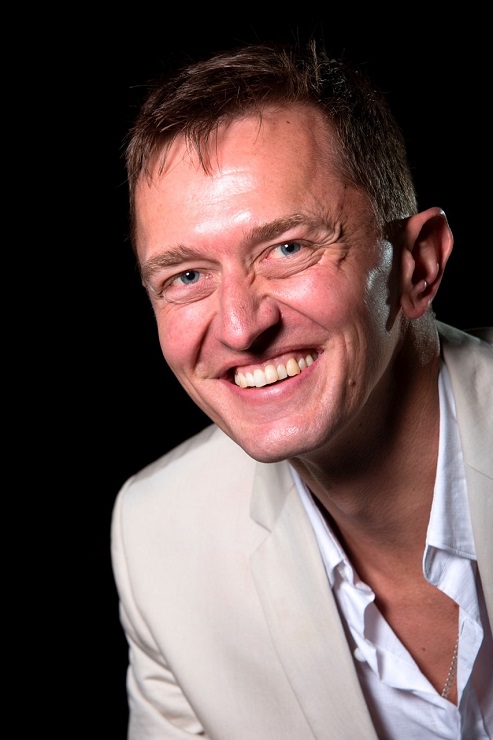
Alasdair Garnett hopes to make a difference in supporting coaches and athletes and lay the base for a solid infrastructure within cycling. Photo: Supplied
AG: Investment, resources and historical animosity towards Cycling SA as a governing body could be the main factors. I’m sure there are many more but I’m used to walking around walls and going straight through them in some cases. The other challenge is that this is currently a volunteer position.
ITB: You have said your ultimate goal is to produce talent capable of competing on the world stage. How do you feel about the talent we are currently seeing?
AG: We already have talent competing on the world stage despite the challenges they face and have conquered. What we don’t see are those who have the talent but have not managed to conquer those challenges due to lack of resources and an unsupportive environment. Removing, or at least reducing, those challenges in SA would create an environment where we could increase the volume of athletes and coaches that compete and operate at that level on an ongoing basis. Currently we have islands of talent around the country with highly dedicated and sometimes mildly frustrated individuals doing everything possible to develop talent but it lacks a common focus, goal and collaboration. Increasing the number of UCI events in SA will increase the exposure our cyclists get.
ITB : How do you hope to identify untapped talent?
AG: With a solid network of interactive coaches with a clear framework there will be less talent falling through the gaping holes. In my role as a coach I have often been approached and asked “I think my child/athlete has talent, do you think he has talent, how do we take this further?” The lack of direction, support and guidance in these cases are disconcerting. Delays in keeping the talent in the system can be career-ending. There is a finite time period to process talent which may sound a bit “sausage factory’ish” but it refers to the clear processes defined and not the treatment of the individual, which is where qualified coaches can excel and focus in developing the athlete through the various stages of their career without focusing on politics, administration and financial challenges. If a coach identifies talent he should be able to collaborate with others and know exactly what the next step is. If that coach is not able to take that athlete further he will know where he can recruit the required expertise.
ITB: What infrastructure and resources are required to make this a reality?
AG: Qualified coaches in conjunction with government and corporate investment. Sponsorship and investment need to supply a return for sponsors and investors or it’s merely a donation. This in turn requires cycling as a sport to be a viable investment and sponsorship opportunity to realise financial, economic and social returns. Being a viable investment requires a solid, transparent, efficient, predictable and successful governing body with successful athletes. Everybody needs to work together and forget the “us” and “them” and work together for a greater good.
ITB: What steps have you taken towards making this a reality?
AG: Right now I’m learning the ropes. It’s going to be a challenge having uncovered the volume of work that needs to be addressed. I’m attending a workshop hosted by Sascoc for their coach development framework with the intention of serving on their coaching development export group. Having not been involved directly until now, I have caught up through previous correspondence and I look forward to seeing what we, as cyclists, can tap into and implement in our own framework. We have initiated the start of a national database of coaches and once we have this we can better assess the needs and requirements of existing coaches, some of whom will be pulled in to fulfil a role that should be a full-time paid position with a team to look after the interests of cyclists. I will be at the WCC in Switzerland for the month of August completing my Level 3 diploma and have initiated discussions regarding the development of coaches and athletes in SA and Africa.
ITB: What are some of the organisations that you will work most closely with to realise your goals?
AG: Sascoc and the UCI are the two that spring to mind. I hope they will play a supportive and administrative role. Cycling is behind in terms of coaching and athlete development programmes and we need to use the knowledge already learnt from local and international leaders and use it to accelerate our own development.
ITB: As a cyclist and coach yourself, where would you draw the line between pure talent and good coaching?
AG: Talent will only get you so far. It’s a cliché but sayings become clichés for a reason. By the same token not everybody is going to be the next Louis Meintjes or Greg Minnaar. Managing those athletes specifically is critical to ensure not only a long career in cycling but in life in general.
A coach’s role is often downgraded to a training plan provider which is so far off the mark. If that’s all a coach is doing for you rather download a free plan from the internet. A great coach will be able to develop athletes to their full potential and provide them with the skills to prosper after their career ends. We have to wonder how much talent, potential world and Olympic champions have never stood on that podium because of bad coaching.


