The Tour de Limpopo, a four-day UCI AfricaTour cycle race which was launched by Cycling South Africa in the beginning of February, is a major tourism boost for the province, says the Limpopo Tourism Agency (LTA).
The race, from April 23 to 26, will see riders from many different nations taking part. It is the first cycling event of this magnitude in the province.
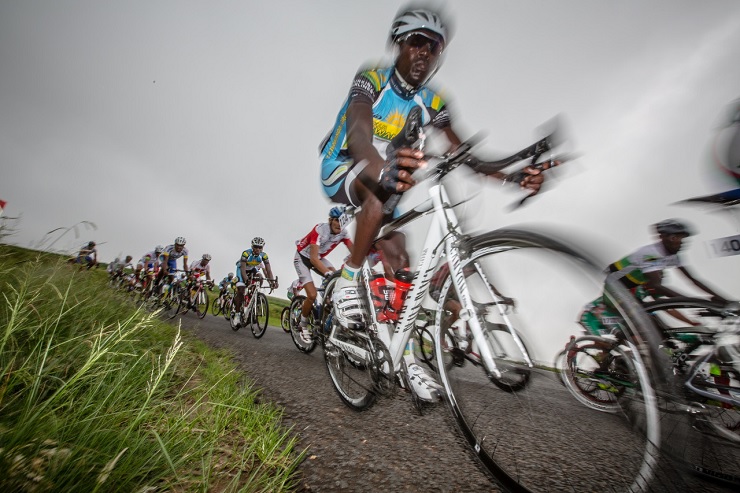
The Tour de Limpopo is a major tourism boost for the province, says the Limpopo Tourism Agency (LTA). Photo: Supplied
LTA CEO Sonto Ndlovu said it was an ideal opportunity for the province to showcase its attractions to a large international audience.
“These include cyclists, spectators and their respective management teams and families,” Ndlovu said. “This was an opportunity we could not allow to pass us by.
“We have the responsibility to market our province as a tourist destination, particularly adventure tourism, given our magnificent landscape and topography.
“This is the ultimate destination-marketing opportunity we’ve been waiting for.”
The 2.2 UCI-rated stage race will begin in the capital city of Polokwane and head east to Tzaneen – where riders will sleep for three nights – before returning to Polokwane and finishing at the Peter Mokaba Stadium.
“The Tour de Limpopo will give us the opportunity to showcase the beauty of Magoebaskloof all the way to Tzaneen, including Moria Zion City, Modjadjiskloof, the Sunland Baobab, Debengeni Falls, Modjadji Royal Kraal and Modjadji Cycad Forest,” Ndlovu said.
“I think television spectators will be very pleasantly surprised to see the most beautiful attractions in this part of the country when watching the race.”
Ndlovu also emphasized the importance of the event, not just for marketing, but for the development of cycling in the province as well.
“We hope this will inspire the younger generation to take a keen interest in cycling and even go to professional level one day,” she said.
“An event of this magnitude will be utilised to grow and develop the sport and the business of cycling in the province.
“Through skills-transfer programmes it will contribute to the growth of the cycling industry and the concomitant value chain in the province.”


